
Introduction
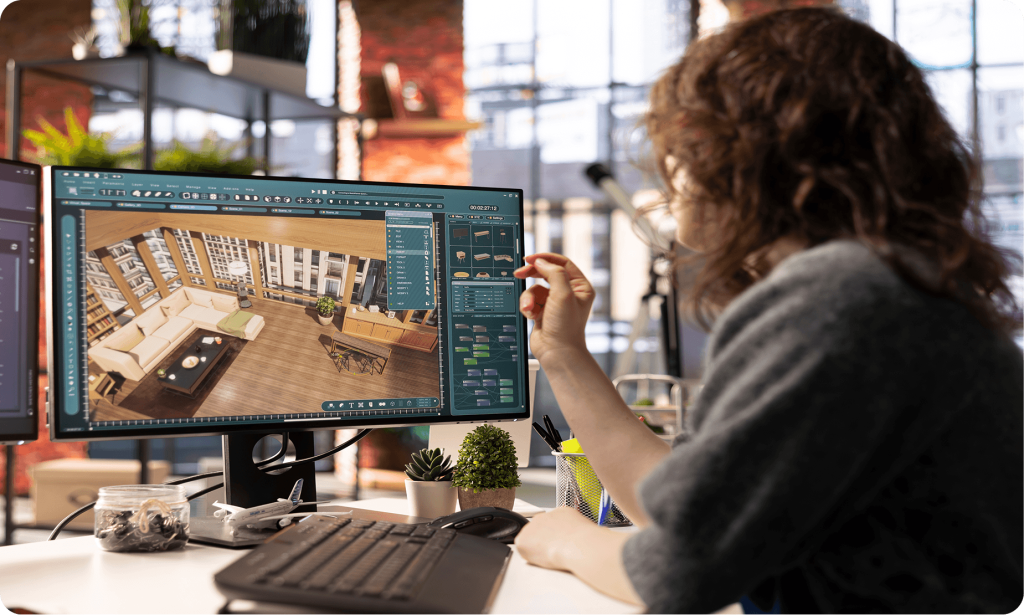
Facility management is evolving from reactive maintenance to proactive, data-driven operations. Digital Twin technology is at the forefront of this shift, offering a virtual replica of a physical facility, powered by real-time sensor data.
By integrating simulation, monitoring, and analytics, facility managers can optimize operational efficiency, reduce energy consumption, and improve occupant comfort.
What is a Digital Twin?
A Digital Twin is a dynamic, digital replica of a physical facility, updated in real time through sensor data, IoT devices, and integrated software platforms. It allows building managers to:
- Monitor systems such as HVAC, lighting, and security
- Simulate building performance under different scenarios
- Predict maintenance needs and optimize energy use
Unlike static BIM models, digital twins continuously reflect actual building conditions, providing actionable insights for operations.
Benefits of Digital Twins in Facility Management
- Proactive Maintenance
- Predict equipment failures before they occur
- Schedule maintenance based on real-time conditions rather than fixed intervals
- Reduce downtime and maintenance costs
- Operational Efficiency
- Optimize building systems for peak efficiency
- Adjust HVAC, lighting, and ventilation based on occupancy and weather conditions
- Reduce energy consumption and operational costs
- Data-Driven Decision Making
- Visualize and analyze system performance
- Identify inefficiencies or potential upgrades
- Make informed investment decisions
- Improved Occupant Comfort
- Real-time monitoring of temperature, humidity, and air quality
- Adaptive control of building systems to maintain optimal conditions
Real-Time Simulation and Sensor Integration
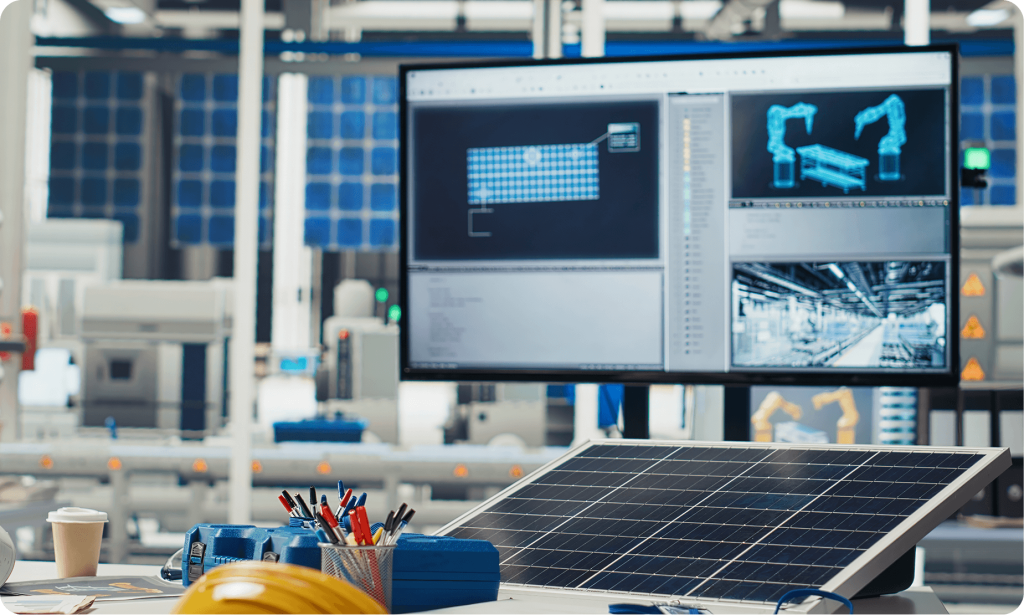
Digital twins rely on IoT sensors and simulation tools to provide continuous insight:
- Sensors track: temperature, humidity, CO₂ levels, airflow, energy consumption
- Simulation predicts: energy use, load balancing, equipment stress, emergency scenarios
- Integration with software: Facility Management Systems (FMS), BIM platforms, and analytics dashboards
This combination allows managers to see the current state, anticipate problems, and test “what-if” scenarios without impacting operations.
Optimizing Operations and Maintenance
Digital twins transform facility management by enabling:
- Predictive maintenance → replacing parts or scheduling repairs before failure
- Resource optimization → adjusting HVAC, lighting, and energy systems for efficiency
- Remote monitoring → central control of multiple facilities in real time
- Performance benchmarking → tracking systems over time to improve operations
The result is reduced operating costs, extended equipment life, and fewer disruptions.
Energy Efficiency and Carbon Reduction
Digital twins also support sustainability goals:
- Track energy use and identify inefficiencies
- Simulate energy-saving strategies (e.g., daylighting, HVAC schedules)
- Predict carbon emissions and optimize operations for lower environmental impact
By integrating with building energy management systems, digital twins help organizations achieve LEED, WELL, or net-zero goals.
Case Studies / Practical Applications
- Corporate Headquarters – Digital twin enabled predictive HVAC adjustments, cutting energy costs by 15–20%.
- Healthcare Facility – Real-time monitoring ensured optimal air quality and equipment uptime, improving patient safety.
- Multi-Site Campus – Centralized digital twin dashboard allowed facility managers to optimize energy use across multiple buildings simultaneously.
How AEG Leverages Digital Twin Technology
At AEG, we integrate digital twins into facility management workflows to deliver high-performance, sustainable operations:
- BIM + Digital Twin Integration – connect as-built BIM models with real-time sensor data
- Energy and Carbon Analytics – track performance and reduce emissions
- Predictive Maintenance Solutions – extend asset life and reduce operational costs
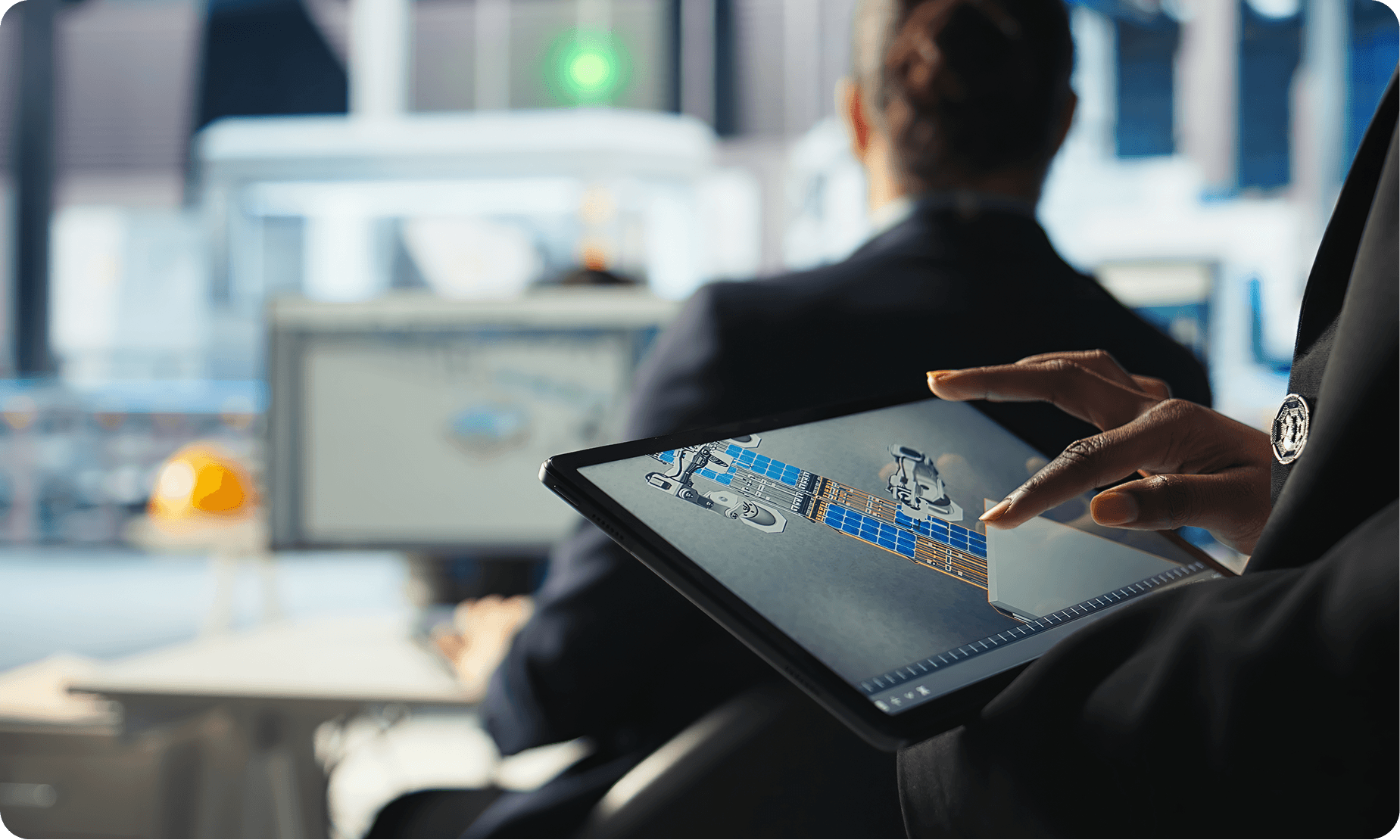
- Smart Facility Dashboards – visualize real-time data for decision-making
Value to Clients:
- Improved operational efficiency and occupant comfort
- Reduced energy and maintenance costs
- Better sustainability performance and compliance
- Future-ready, data-driven facilities
Conclusion
Digital twins are redefining facility management. By combining real-time sensor data, simulation, and predictive analytics, facility managers can transform operations from reactive to proactive, improving efficiency, sustainability, and occupant experience.
With AEG’s expertise, organizations can leverage digital twin technology to unlock operational insight, optimize performance, and future-proof their buildings.