

Introduction
Energy modeling is no longer just about reducing energy consumption—it is now about reducing carbon emissions across the entire building lifecycle.
With the introduction of LEED v5, the industry is shifting toward decarbonization, electrification, and performance-based outcomes. This change is transforming how buildings are designed, simulated, and certified.
What Has Changed in LEED & Energy Modeling?
The latest updates represent a fundamental shift:
Before (LEED v4 / Traditional Approach)
- Focus on energy efficiency (kWh, cost savings)
- Carbon considered indirectly
- Prescriptive compliance more common
Now (LEED v5 & 2025 Updates)
- Focus on carbon emissions (GHG)
- Mandatory performance-based modeling
- Integration of operational + embodied carbon
- Electrification as a core strategy
Are You Aware How California Is Influencing These Changes?
California plays a significant role in shaping the direction of building performance standards and sustainability practices.
- Expansion of heat pump adoption and electrification strategies
- Alignment with decarbonization and grid-responsive design goals
- Increasing overlap between Title 24 compliance and LEED certification strategies
Major Changes in LEED v5
- Carbon as a Core Performance Metric
- Operational carbon must now be evaluated
- Carbon reduction is a key factor in certification
- Whole Life Carbon Assessment
- Includes both:
- Embodied carbon (materials)
- Operational carbon (energy use)
- Lifecycle-based evaluation is now essential
- Includes both:
- Electrification as a Key Strategy
- Encourages all-electric building systems
- Gas-based systems are less favorable in scoring
- Renewable Energy & Net-Zero Focus
- Renewable Energy & Net-Zero Focus
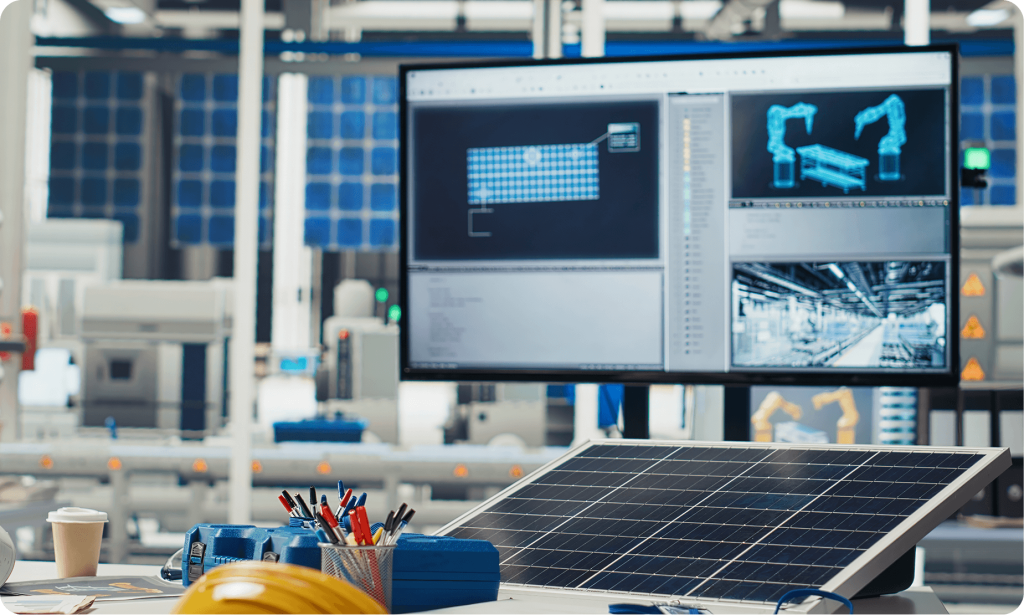
- Greater integration of renewable energy systems
- Grid Interaction & Demand Flexibility
- Buildings designed to support:
- Load shifting
- Energy storage
- Smart system controls
- Buildings designed to support:
Shift from Energy Modeling to Carbon Modeling
What Changed in Practice
- Earlier modeling focused on energy consumption
- Now includes carbon emissions as a key output
Design Impact
- Carbon intensity affects performance results
- Electrified systems perform better than gas-based systems
Embodied Carbon & Lifecycle Analysis
One of the most significant updates is the focus on embodied carbon.
- Materials such as concrete, steel, and glass now impact performance
- Lifecycle assessment (LCA) evaluates emissions from:
- Construction
- Operation
- End-of-life
Impact on Design & Compliance Workflows
What This Means for Projects
- Energy modeling must begin early in the design phase
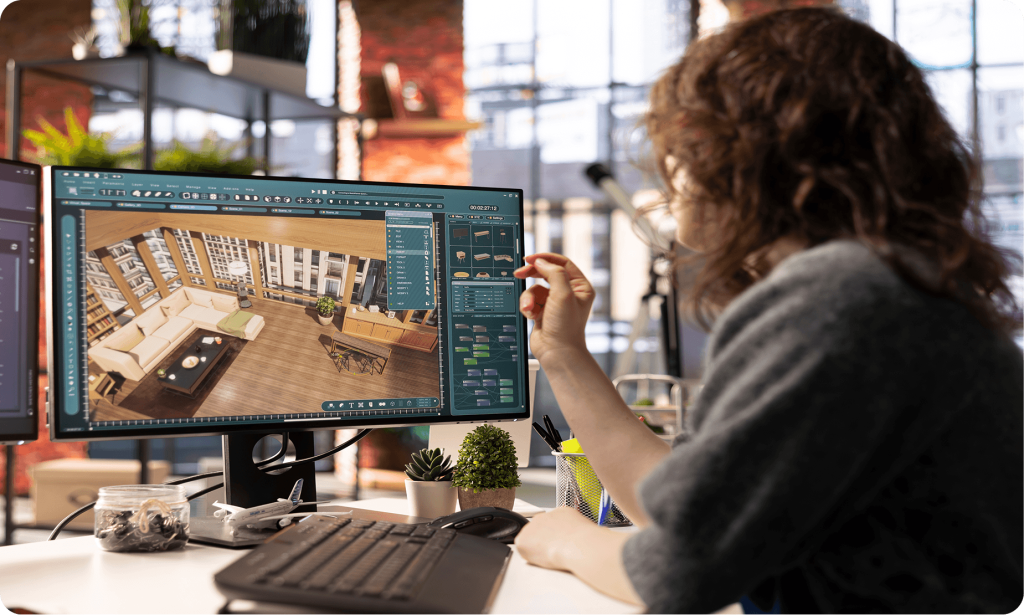
- Strong integration between BIM and simulation tools
- Prescriptive approaches are less effective
Updated Design Strategies
- Electrification-first systems
- High-performance building envelopes
- Efficient HVAC and ventilation systems
- Integration of renewable energy and storage
How AEG Supports These Changes
At AEG, we help project teams adapt to evolving energy and sustainability requirements through advanced modeling and integrated design support.
Our Approach
- BIM-integrated energy modeling workflows
- Carbon-aware simulation and analysis
- Early-stage performance optimization
What AEG Delivers
- Energy modeling aligned with LEED v5
- Operational and embodied carbon analysis
- Lifecycle performance evaluation
- Electrification and system optimization strategies
- Support for LEED documentation and compliance
Value to Clients
- Improved LEED certification outcomes
- Reduced carbon footprint
- Streamlined compliance process
- Future-ready, high-performance building solutions
Conclusion
The evolution of LEED and energy standards marks a shift toward carbon-focused building performance. Energy modeling now plays a critical role in evaluating not just efficiency, but emissions, lifecycle impact, and system integration.
Adapting to these changes is essential for delivering buildings that are compliant, sustainable, and future-ready.